How to Start Parent–Child Backyard Birdwatching: Easy 1–2–3 Steps with a Smart Feeder Camera
Learn how to start safe, fun parent–child backyard birdwatching with 1–2–3 easy steps using a smart feeder camera. Practical, quick, and kid-friendly guide.
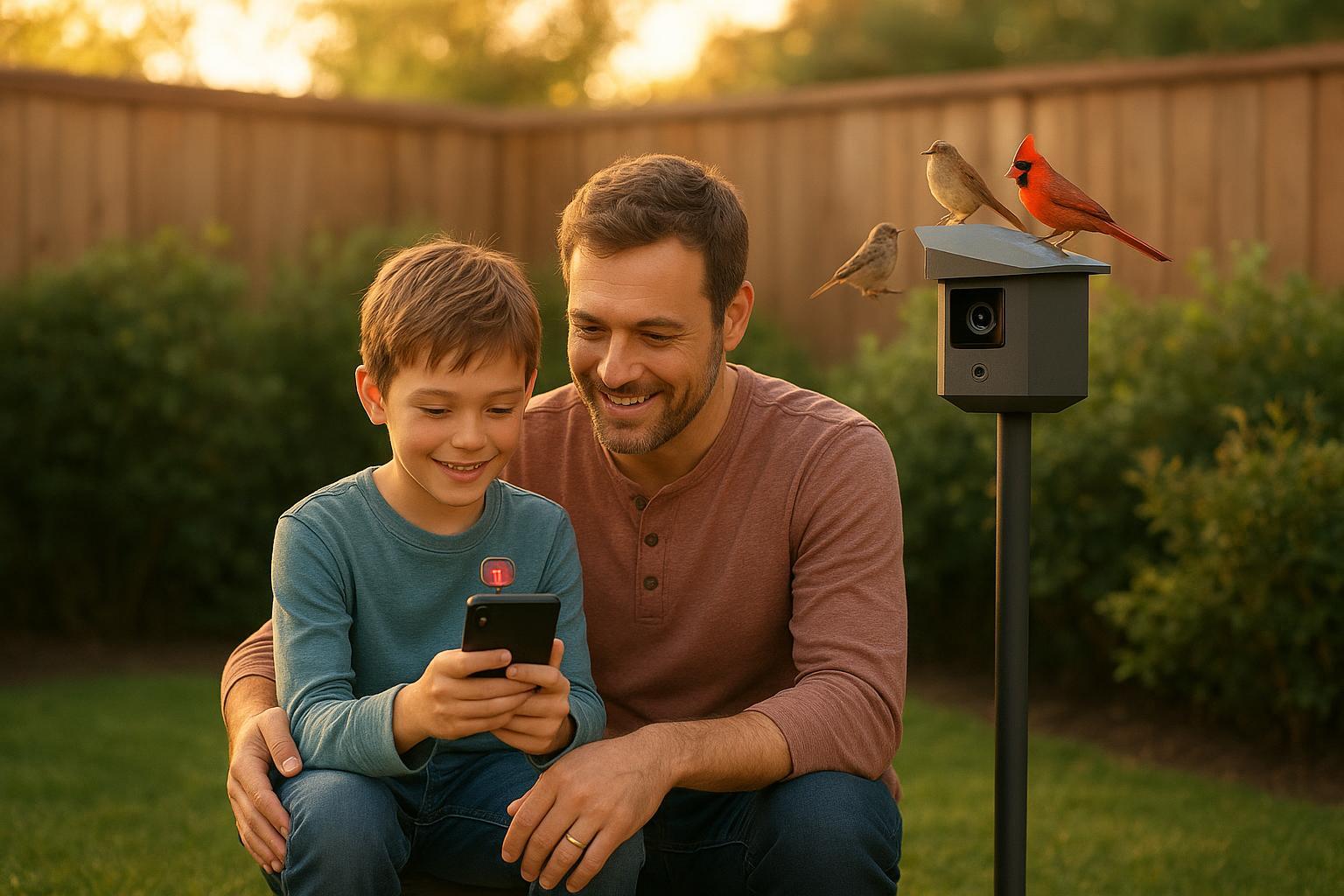
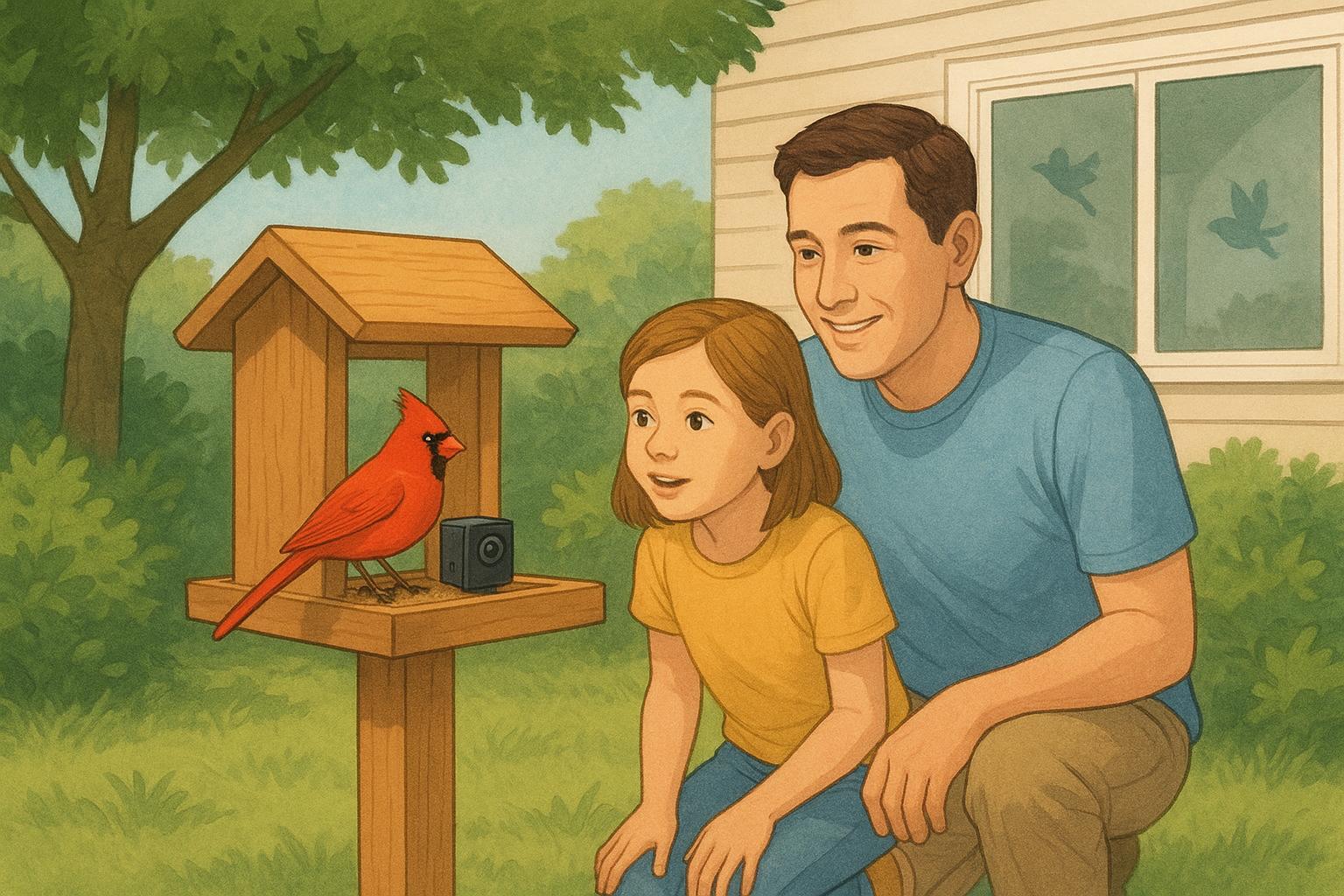
If you’ve been looking for an easy way to get outside with your kids and actually enjoy the time together, this guide is for you. In one afternoon, you can set up a smart bird feeder camera, attract your first visitors, and start a simple observation log that sparks curiosity without turning the experience into another screen session.
Key takeaways
The goal is quality parent–child time outdoors; the camera is a tool, not the focus.
Use a simple 1–2–3: safe placement and power, attract birds, log observations.
Clean seed feeders about every two weeks with a 10% bleach solution (1:9); follow outbreak guidance.
Angle cameras away from neighbor property; enable strong passwords and two-factor authentication.
Start with common U.S. backyard species and 15–20 minute sessions to keep kids engaged.
The 1–2–3 Quick Start
1) Place and power safely (10–15 minutes)
Choose a stable mount within your yard, near shrubs or a small tree so birds have quick cover—but keep clear flight paths in front of the feeder. To reduce window strikes, either set feeders within roughly 3 feet of windows or treat nearby glass with dense, exterior patterns that break reflections; the American Bird Conservancy explains effective spacing and solutions in its home window-strike guidance. If a window is nearby, the U.S. Fish & Wildlife Service’s Bird-Friendly Home Toolkit also recommends retrofits and safe placement.
For privacy, aim the camera toward your own yard and away from homes or streets. Configure motion/activity zones to limit incidental capture. Consumer Reports’ camera setup best practices cover angles, zones, and device choice.
Power and connect the feeder camera following the manufacturer guidance. Many smart bird feeder cameras pair best on 2.4 GHz Wi‑Fi; if you need specifics for Wi‑Fi setup and pairing, see this detailed smart feeder guide on 2.4 GHz Wi‑Fi.
Set your first observation window today: 15–20 minutes in the morning or late afternoon. Agree on roles—parents handle tools/ladders and settings; kids choose the spot, fill seed, and name the micro-goal (e.g., “Let’s spot three species this week”).
2) Attract birds (10 minutes today, patience over 1–3 weeks)
Start with black‑oil sunflower seed—it attracts a wide variety of species across the U.S. For more seed tips and avoiding filler like milo, skim this beginner seed guide. Add clean water in a shallow dish and consider suet for woodpeckers or nyjer for finches.
Place the feeder near cover (shrubs/trees) but with clear approaches; birds feel safe if they can perch, assess, and dart to refuge. If you want help spacing feeders relative to cover and typical approach distances, this reference on feeding distance for 25 common U.S. birds is handy.
Keep expectations realistic: new feeders often take 2–4 weeks to become busy. Refresh seed during wet/freezing weather and keep the ground clean of hulls. Cornell Lab’s All About Birds explains feeder types and basics in this overview.
3) Log kid-friendly observations (10 minutes)
Give children ages 7–10 a simple template: species (or “unknown”), size (small/medium/large), main color (red/yellow/brown), behavior (hops, clings, drums, sings), and time of day. Photos from the camera can be added to a journal, but the family focus stays outside. For concise identification tips, see How to Identify Birds (Stephen Moss).
Set micro-goals like “3 species this week” and use 15–20 minute counts to match the spirit of the Great Backyard Bird Count’s minimum session time, as outlined on the GBBC site.
A practical example: using a smart feeder camera to support kids’ logs
Disclosure: Birdfy is our product. In a family workflow, you can use Birdfy’s AI species suggestions as a starting point for a child’s notebook, then verify together with a field guide or Merlin. The in‑app gallery helps organize short clips your child labels with color/behavior notes. Keep the emphasis on stepping outside to watch live—use the app to review highlights afterward.
Hygiene and privacy essentials
Feeder hygiene matters for birds and for your family routine. Clean seed feeders about every two weeks (more often in wet weather or heavy use). After scrubbing with hot, soapy water, disinfect with a 10% bleach solution (1 part bleach to 9 parts water), rinse thoroughly, and air‑dry completely. Guidance from Cornell Lab’s All About Birds in “How to Clean Your Bird Feeder” (2024) and Project FeederWatch’s disease prevention notes aligns on intervals and ratios.
If you observe sick birds (lethargic, puffed, eye issues), take feeders down, clean them, and pause feeding for at least several days to two weeks while birds disperse; clean the ground under feeders. FeederWatch’s advisories—such as posts on disease observations—outline when to remove feeders and monitor updates.
Hummingbird nectar care is different: change nectar every three days at most (more often in heat), and clean thoroughly; Audubon covers nectar maintenance and disease context in its guide to feeder hygiene and disease context.
Privacy basics for smart cameras: aim away from neighboring homes/streets, set activity zones, use strong unique passwords, turn on two‑factor authentication, keep firmware/apps updated, and review app permissions together with your child. These practices mirror Consumer Reports’ camera setup guidance and the FTC’s data security principles.
In bear‑active regions, consider seasonal removal of feeders to avoid habituation; USFWS notes seasonal precautions in its press guidance.
Starter U.S. backyard birds for kids (quick cues)
Northern Cardinal: bright red male with a crest; frequent seed feeder visitor.
American Robin: orange breast; often on lawns.
Blue Jay: bold blue, crested; likes peanuts/sunflower.
Downy Woodpecker: small black‑and‑white; male has a tiny red spot; loves suet.
Mourning Dove: plump gray‑brown; long pointed tail; gentle cooing.
For a broader sampler, browse this primer on common backyard birds.
Troubleshooting: “No birds yet” quick fixes
If you’re not seeing visitors yet, stick with black‑oil sunflower seed and keep it fresh and dry. Try shifting the feeder slightly closer to shrubs or trees while maintaining clear approaches. Clean up hulls and spilled seed to deter rodents and reduce pathogens. Be patient—2–4 weeks is normal for discovery. If the camera or app floods your phone with alerts, adjust notification sensitivity and focus your observation windows outdoors. For deeper feeder choice context, the Cornell Lab’s overview on feeder types is a helpful refresher.
Keep screens in balance: activities for ages 7–10
Bingo or scavenger checklists (colors, behaviors, feeder visitors).
“Guess that bird” using reference sounds with headphones—avoid playing calls outdoors to prevent disturbance.
Simple sketch‑and‑note journals: draw shape/color; add one behavior and time.
A 15–20 minute GBBC‑style count once a week to build a habit; details at the GBBC site.
If your family wants more fundamentals, see Birdfy 101: A Comprehensive Guide to Birding for Fresh Beginners.
Next steps
Pick one action today—place the feeder, fill with black‑oil sunflower, and schedule a 15‑minute count together. If you plan to use a smart feeder camera, you can use Birdfy to support the log and gallery review while keeping the emphasis outdoors. For extended reading, explore How to Identify Birds and Common Backyard Birds of North America.
Tags
Ready to Get Started?
Join thousands of readers and get the latest content and insights in robot manufacturing.
Join Now